Energy Use
The way we use energy in our residential and commercial spaces affects our energy bill and our environment. Energy conservation is the key! Below you will find tips to reducing your energy use at home and at work, and links to websites that can provide you with further information on energy efficiency and conservation.
|
 |
10 Things YOU Can Do to
Save Energy
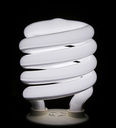
1. Light Right: Use compact fluorescent lighting to get more light with less energy. And, when you leave a room, turn off the lights.
2. Control Your Thermostat: The recommended winter setting for heaters is 68 degrees in daytime and 55 degrees at night. In the summer, turn the air conditioner's thermostat to 78 degrees.
3. Secure Your Ducts: You can save up to 10% of your heating or cooling costs by insulating and tightening up the ducts. Leaking ducts can reduce the efficiency of your heating system by up to 20%.
4. Cook with Care: When you boil water, cover the pan to save energy and be more efficient. Reduce the number of time you open the over--every time you do you lose 25 to 50 degrees or more.
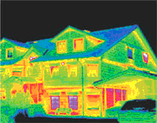
5. Keep Your Home's Energy In: Insulate your home and caulk and weather strip gaps that leak out energy.
6. Unplug to Stay Plugged: Plug all of your entertainment equipment into a power strip. When switched off, it will eliminate any standby draw from these devices. "Plug load" energy consumption is at least 9% of electricity use in a typical U.S. household.
7. Put It On The Line: Washing machines and dryers can account for as much as 25% of the electricity you use at home. Hang your clothes on an outside line and use the natural solar heat of the sun and drying capacity of the wind.
8. Reform Your Refrigerator: Refrigerators in the U.S. use 4% of the nation's electricity. Set the temperature of your refrigerator to between 38-42 degrees to make sure it is not wasting energy. Purchase an Energy Star refrigerator to save money in the long run by reducing the consumption of this energy guzzler. You may even get a monetary incentive for this purchase!
9. Park Your Car--and Keep it Parked: Riding your bike, walking, or taking public transit eases your energy use and the impact of gas on your pocket book. Private car use accounts for 33% of America's carbon dioxide emissions.
10. Get to Know Your Utility: Idaho Power and other Idaho utilities offer programs to help you increase energy efficiency and conservation. Check out your utlities incentive program forthe purchase of energy efficient appliances, look into their green power programs, and consider net metering by installing solar panels, utilizing geothermal energy, or installing a residential windmill.
Source: Idaho Power's 30 Simple Things You Can Do to Save Energy
2. Control Your Thermostat: The recommended winter setting for heaters is 68 degrees in daytime and 55 degrees at night. In the summer, turn the air conditioner's thermostat to 78 degrees.
3. Secure Your Ducts: You can save up to 10% of your heating or cooling costs by insulating and tightening up the ducts. Leaking ducts can reduce the efficiency of your heating system by up to 20%.
4. Cook with Care: When you boil water, cover the pan to save energy and be more efficient. Reduce the number of time you open the over--every time you do you lose 25 to 50 degrees or more.
5. Keep Your Home's Energy In: Insulate your home and caulk and weather strip gaps that leak out energy.
6. Unplug to Stay Plugged: Plug all of your entertainment equipment into a power strip. When switched off, it will eliminate any standby draw from these devices. "Plug load" energy consumption is at least 9% of electricity use in a typical U.S. household.
7. Put It On The Line: Washing machines and dryers can account for as much as 25% of the electricity you use at home. Hang your clothes on an outside line and use the natural solar heat of the sun and drying capacity of the wind.
8. Reform Your Refrigerator: Refrigerators in the U.S. use 4% of the nation's electricity. Set the temperature of your refrigerator to between 38-42 degrees to make sure it is not wasting energy. Purchase an Energy Star refrigerator to save money in the long run by reducing the consumption of this energy guzzler. You may even get a monetary incentive for this purchase!
9. Park Your Car--and Keep it Parked: Riding your bike, walking, or taking public transit eases your energy use and the impact of gas on your pocket book. Private car use accounts for 33% of America's carbon dioxide emissions.
10. Get to Know Your Utility: Idaho Power and other Idaho utilities offer programs to help you increase energy efficiency and conservation. Check out your utlities incentive program forthe purchase of energy efficient appliances, look into their green power programs, and consider net metering by installing solar panels, utilizing geothermal energy, or installing a residential windmill.
Source: Idaho Power's 30 Simple Things You Can Do to Save Energy
Online Resources
|
Northwest Power and Conservation Council
|
|